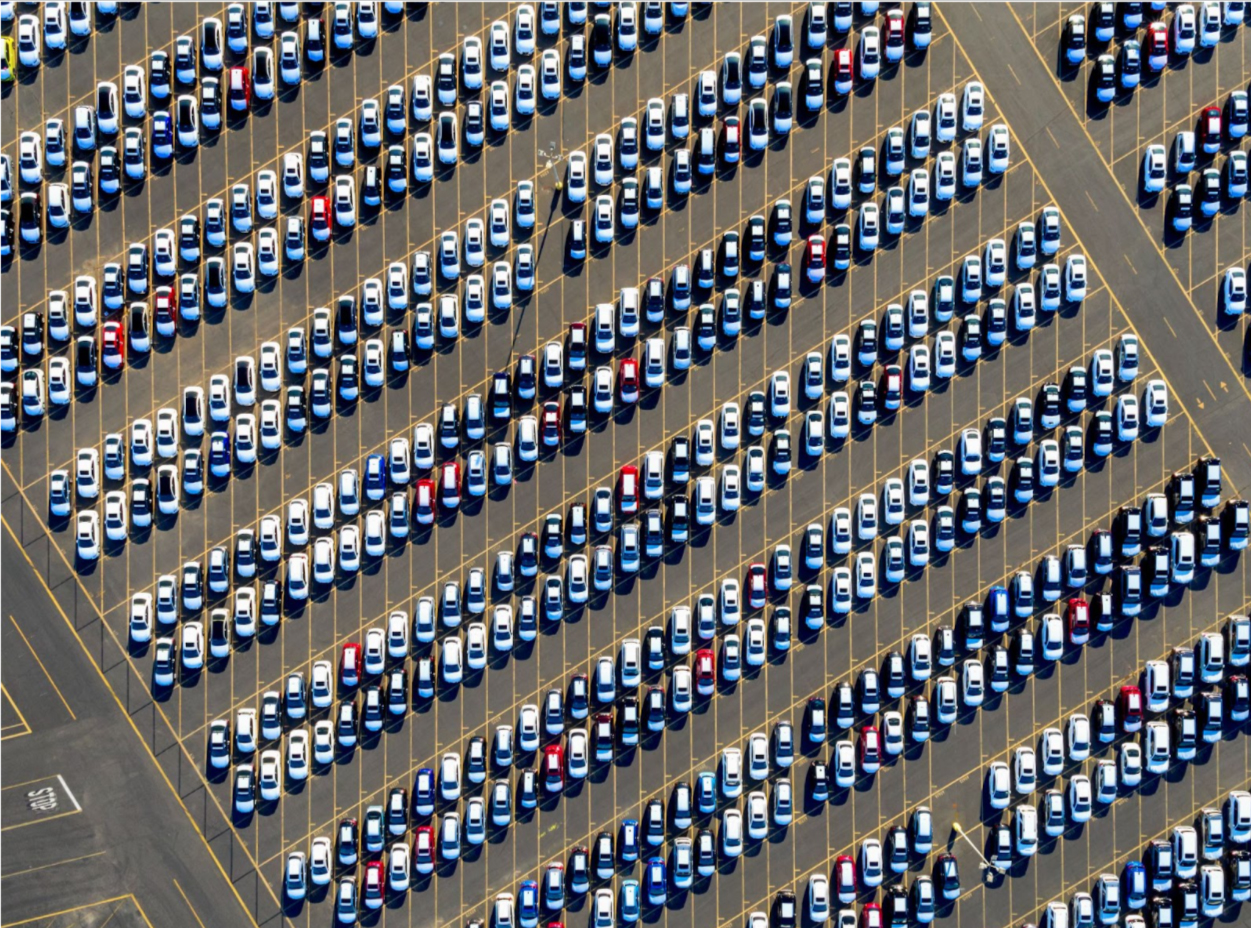
The pandemic altered many lines of work, and the automotive industry was no exception. Global lockdowns shut down every non-essential business, and among those were car manufacturing plants and dealerships. Since then, there have been long-term ripple effects that many experts anticipate lasting until late 2022 – and possibly later.
Don Forman, owner of Forman Automotive, knows the pressure of these challenges well. As a seasoned automotive executive of over 20 years, there isn’t much that he hasn’t seen. But even COVID-19 threw him and his team for a loop.
The Early Days
“Initially, probably like any other business owner, I was anxious to figure out answers,” Forman said. Though he’s navigated volatility in the past, such as during the 2008 recession, the obstacles from the pandemic were unmatched.
“Unlike [in 2008], where we still had the opportunity to sell and finance cars, when they shut the dealerships down – we couldn’t do business! That was a whole new dynamic,” he said.
Though the presence of COVID-19 was known by many in January 2020, it wasn’t until March that year when things took a turn for business owners. During this time, 46 states ordered all non-essential businesses to close with time frames ranging from 3 weeks to nearly 3 months.
Forman’s 5 dealerships across the southwest were among the thousands of businesses that had to shut down. Fortunately, all service departments were allowed to remain open. However, this faced its own set of challenges, such as many employees fearing the risk of exposure.
“I think we spent a lot of time in the beginning trying to understand what our next move was, how we were going to navigate that time, and the new challenges we were facing,” Forman said. “It was incredibly stressful. The first 3 or 4 weeks were mind-boggling.”
For Nissan dealers, the pandemic also came at an especially unfortunate time. Alongside the struggles of COVID-19 was another obstacle; the brand was undergoing a restructure as they envisioned its purpose and mission.
“We saw a downturn, a little bit of a change in business going into the beginning of 2020,” said Forman. “In some cases, Nissan’s issues exacerbated the effects of COVID.”
Taking Care of Family
All of Forman’s businesses are rooted in the ideology that team members are family and should be treated like such. Forman made it a point to maintain this ideology, despite the hurdles from COVID-19.
“The first thing we did was make sure everybody got paid,” he said. Forman also notes that the team tried their best to ensure everyone still had a job during the lockdown. Because of their efforts, the group was able to successfully maintain a majority of its team.
“When you have a business disaster, you have to take care of your people. And you have to make sure they’re made whole enough to survive alongside you. That was our goal through COVID.”
Don Forman
A Rapidly Changing Space
Over the past year and a half, the car industry has been turned on its head. From chip shortages to price surges and skeleton inventories, the space has been rapidly changing and forced to adapt to its environment.
A defining moment in this was during the global closures of manufacturers. Forman explains that this created a 60-day gap in production. Though it may not seem like much, a gap of that caliber can offset millions of vehicles.
For example, if a country sells approximately 18 million cars a year, it equates to about 1.3 to 1.5 million vehicles sold per month, depending on the season. For 60 days, that’s around 3 million cars taken out of inventory. If demand is still high, it creates a shortage.
“Even if all these manufacturers were producing 100% on a monthly basis, mathematically, it still means there will have to be some sort of a downturn in the market to get normalized again,” said Forman.
This gap in production, on top of the computer chip shortages from chip manufacturers shutting down, has caused the global new vehicle inventory to be significantly impacted.
So why don’t consumers just buy used cars in the meantime? Unfortunately, there’s also a shortage of pre-owned vehicles too.
Because of travel bans and restrictions, rental car agencies were experiencing all-time lows. This caused many of them to rapidly unload their existing fleets without purchasing replacement vehicles. Because the used market relies heavily on this, the supply was not being sufficiently replenished.
The second way used inventory is restocked is through consumers selling or trading them in. However, with record levels of unemployment, financial insecurity, and stay-at-home orders, most people chose to stay with their current models last year. As a result, fewer used cars entered the market, and the prices surged.
Finding Opportunities
While all may seem equally frustrating and discouraging for dealership owners, Forman notes he’s able to grow through the challenges by focusing on what can be fixed.
“You can’t control what the government says you can do. You can’t control if they say you can’t sell cars, and you can’t control if you have no cars to sell,” he said. “I learned you have to take those things and not dwell on them.”
He notes that the key is getting creative with solutions and being comfortable with change. “You have to manage your business based on the opportunities you’re given. There is the opportunity for dealers to make more money per transaction. We’re also seeing that a lot of customers are spending a lot more effort making sure that the cars they own are well serviced. We’re looking at better ways to put more emphasis on service and parts in our companies, so in the long run, that foundation is stronger.”
Because of this fresh approach, Forman’s dealerships have been able to take more market share and gain a larger customer base. While other dealerships have yet to change their messaging, Forman’s dealers have adopted a different approach geared more towards a younger audience, which has allowed them to significantly outsell their closest competitors.
Along with this, he’s currently working on bringing trends from outside industries to the automotive space. The car business, unfortunately, falls years behind other pop-culture-savvy industries such as tech, beauty, and wellness.
“I’ve learned that you have to adapt to the times,” he said.” As people adopt more of that stay-at-home [ideology], we’re adopting a service program where we can service customers at home. I think it will fit into this new wave that the younger generations want to do business.”
A Brighter Future
Though he recognizes that the pandemic is far from over, Forman is hopeful to return to a state of normality. Just like during the 2008 recession, Forman knows from experience that with time; things will always get better.
As for the automotive industry, Forman believes the industry has been headed towards online purchasing experiences for years now. “It’s a no-brainer,” he said. “When you look at just the dynamic and sheer size of how many [vehicle] delivery companies are out there – the answer is clear.”
Aside from the cars, he also notices that society as a whole has been completely changed. “I think it’s affected a lot of people’s enjoyment in life and how we interact on a daily basis. People are adopting new ways of life.”
With new ways of life comes new ways to do business, and it’s evident Don Forman will be at the forefront of these movements.
